Why sensory development matters in the early years
- Resources
At MMC, the classroom materials and environment are a vital part of the Early Learning Program.
All of us take in information from the outside world through our senses – through sight, hearing, touch, taste and smell. These ‘Outside In’ senses form the foundation of sensory development and are vital in helping children experience and make sense of their surroundings.
But children also have other senses that help them learn which can be described as the ‘Inside In’ senses. These include having a sense of balance, a sense of body position, bodily senses like hunger, thirst, feeling hot or tired, and having feelings or emotions.
Montessori classrooms and learning spaces provide a rich and varied sensory environment for sensory development that encourage children to explore all their senses, without being overstimulated, says Leanne Tarran, Early Learning Educator at MMC.
“We don’t want children to be overwhelmed but to be able to explore in a calm way,” says Leanne.
“A baby’s most sensitive area for touch is their mouth. That’s why they try to put everything there to feel their world. Gradually our hands and fingertips take over as our most useful and sensitive tools for engaging with the world. So in my classroom, I have items made of clay, glass, wood and leather and some items are bumpy and others are smooth and children can explore those and describe what they see and feel.”
Montessori materials have been specifically developed to stimulate the senses. Classrooms are intentionally prepared with real, sensory-rich materials that spark curiosity and support exploration – including fragrant natural elements such as flowers, herbs, and leaves.
The learning environment features a variety of textures, colours, and shapes, offering children a calm, welcoming space that engages the eyes, ears, and heart. It is an atmosphere that supports connection, encourages focus, and fosters meaningful engagement.
“We have a lot of materials in our classrooms because we learn about the world through our senses,” says Zuzana Pacak, MMC Playgroup Leader.
“For example, I have a smelling activity with ingredients like pepper, salt, coffee and lavender. The children smell each scent and as they do the activity they have to slow down and focus.”
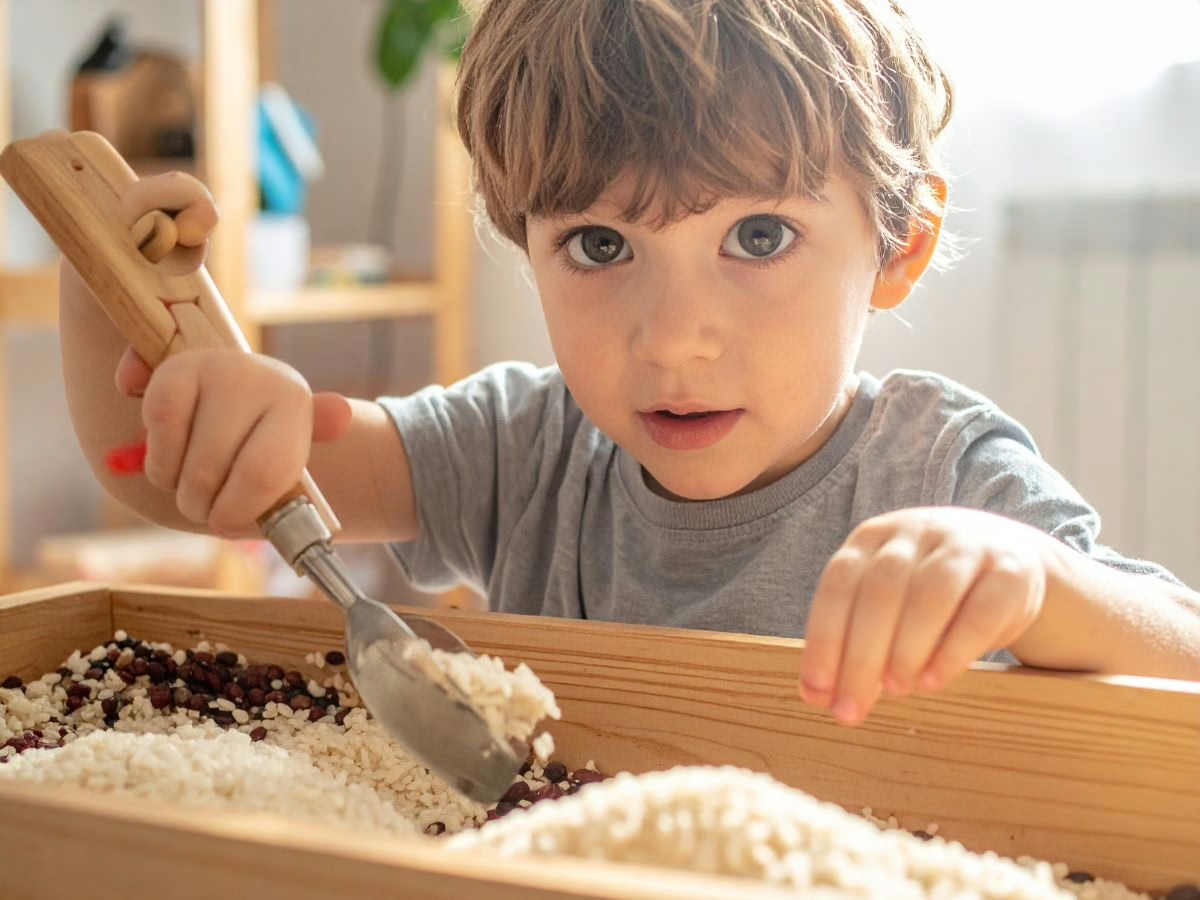
Children also learn to describe what they see, smell and touch and practice activities like spooning, using tongs to pick up small things, and using a small glass jug to pour water to further their sensory development.
“These activities may seem easy to adults because we have done them many times, but they are not easy for an 18-month-old and they have to use their senses and focus on every movement and step in the process,” says Zuzana.
Leanne says the Montessori classroom embraces all the elements in a child’s environment and helps them to grow their curiosity, confidence, independence and understanding. Supporting each child’s sensory development is a key part of that growth.
“We don’t push children and we are not a ‘hot house’. We are like a beautiful organic garden where a child can grow and develop in their own sweet time with all the nutrients they need,” says Leanne.
“The early years of learning are the most important years and, starting in those early years, we foster students who are global citizens and who go out into the world ready to stand on their own two feet and to do things with their own two hands.”